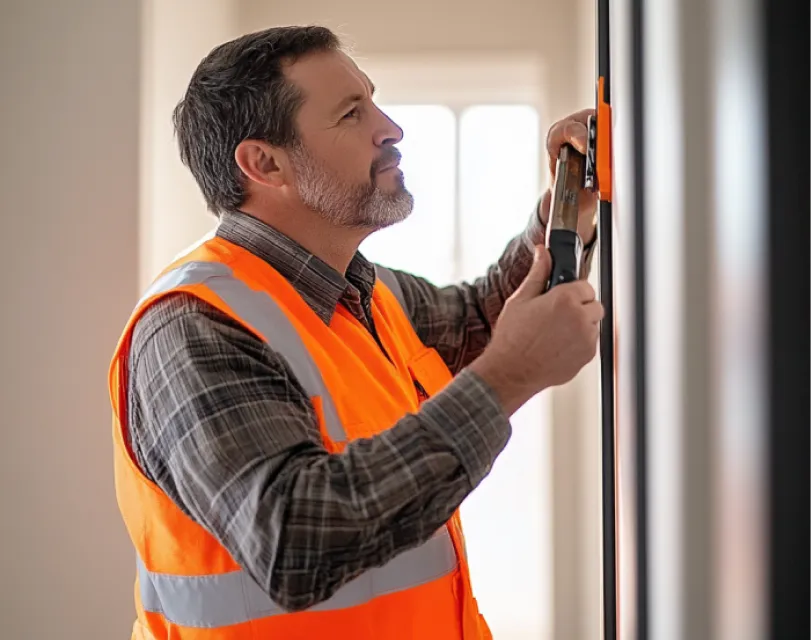
How Much Does It Cost to Install an EV Charger in Quebec?
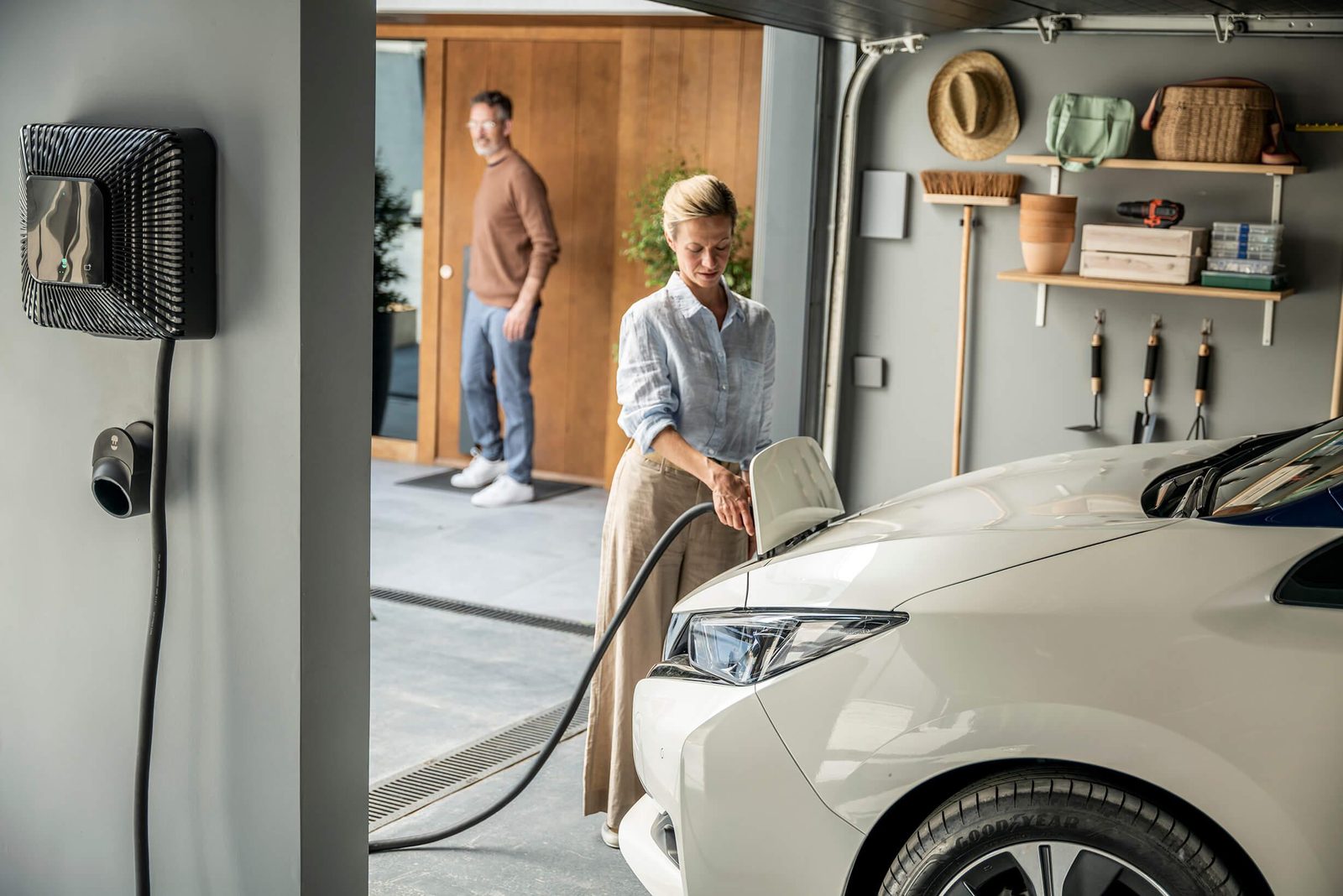
As electric vehicles become more popular across Quebec, more homeowners are choosing to install a Level 2 EV charger at home. One of the most common questions we hear is: How much does it cost to install an EV charger in Quebec?
The answer depends on several factors, including your home's existing electrical system, where the charger will be installed, and whether any electrical upgrades are required.
At VIMA Électrique, we install EV charging stations for residential and commercial properties throughout Quebec. In this guide, we'll explain what affects the cost of an EV charger installation and what you can expect when planning your project.
What Is the Average Cost to Install an EV Charger?
For most homes, the cost of installing a Level 2 EV charger typically ranges between $800 and $2,500 CAD, excluding the cost of the charger itself.
If your electrical system requires upgrades, the total investment may be higher.
Every installation is different, so the final price depends on the complexity of the work involved.
What Factors Affect the Cost?
1. The Distance Between the Electrical Panel and the Charger
One of the biggest factors affecting installation cost is the distance between your electrical panel and the charging station.
The farther the charger is from the panel, the more materials and labour are required, including:
- Electrical cable
- Conduit
- Installation time
For example, installing a charger in a garage located next to the electrical panel is usually much less expensive than installing one in a detached garage or an outdoor parking area.
2. Your Electrical Panel's Capacity
Before installing an EV charger, a licensed electrician must determine whether your electrical panel has enough available capacity.
If your panel is already close to its maximum load, additional work may be required, such as:
- Upgrading the electrical panel
- Installing an energy management system (load management)
- Upgrading the electrical service
These improvements increase the overall cost but ensure your EV charger operates safely and complies with current electrical codes.
3. The Type of EV Charger
Not all EV chargers are the same.
Prices vary depending on:
- Charging capacity (30A, 40A, 48A, etc.)
- Smart features such as Wi-Fi connectivity and mobile app control
- Brand and manufacturer
- Residential or commercial use
Some smart chargers can even automatically share available power between multiple vehicles or schedule charging during off-peak electricity hours.
4. Where the Charger Will Be Installed
Installation costs also depend on the location of the charging station.
For example, your charger may be installed:
- Inside a garage
- Under a carport
- On an exterior wall
- In a commercial parking lot
- At a condominium or multi-unit residential building
Outdoor installations may require additional weatherproof materials and protective equipment.
5. Additional Electrical Work
Depending on your home's electrical system, additional work may be required, including:
- Installing a new dedicated circuit
- Adding a new circuit breaker
- Upgrading the electrical panel
- Upgrading the electrical service
- Installing a load management system
Every home is different, which is why a professional evaluation is essential before beginning the installation.
Do You Need a Permit?
In Quebec, EV charger installations must comply with the Quebec Construction Code and the Canadian Electrical Code.
Electrical work involving an EV charger should always be completed by a licensed master electrician to ensure the installation is safe, code-compliant, and eligible for insurance coverage.
Are Rebates Available in Quebec?
Yes.
Depending on your situation, you may qualify for government rebates or incentive programs that help offset the cost of purchasing and installing an EV charger.
Because rebate programs change over time, it's always a good idea to verify current eligibility requirements before starting your project.
Why Choose a Level 2 EV Charger?
A Level 2 charger is significantly faster than plugging your vehicle into a standard 120-volt household outlet.
Benefits include:
- Much faster charging times
- Improved energy efficiency
- A dedicated, professionally installed circuit
- Enhanced electrical safety
- Added value to your home
For most EV owners, a Level 2 charger offers the best balance of convenience, performance, and long-term value.
What Does the Installation Process Look Like?
A typical residential EV charger installation usually includes:
- An inspection of your existing electrical system.
- A load calculation to verify available panel capacity.
- Selecting the best location for the charger.
- Installing a dedicated circuit and circuit breaker.
- Mounting and connecting the EV charger.
- Testing the system to ensure safe and reliable operation.
Our goal is to provide an installation that is safe, efficient, and built to last.
Why Choose VIMA Électrique?
Installing an EV charger involves much more than simply mounting a charger on the wall.
It requires expertise in:
- Electrical load calculations
- Electrical panels and service upgrades
- Canadian electrical codes
- Residential and commercial electrical systems
- The latest EV charging technologies
At VIMA Électrique, our licensed master electricians install EV charging stations tailored to your property's electrical capacity and your future charging needs.
We take the time to assess your electrical system and recommend the safest, most efficient, and most cost-effective solution.
Contact VIMA Électrique today to request a personalized quote for your EV charger installation.
Frequently Asked Questions
How much does it cost to install an EV charger in Quebec?
In most cases, installation costs range from $800 to $2,500 CAD, excluding the charger itself. Projects requiring electrical panel upgrades or service upgrades may cost more.
Can I install an EV charger myself?
No. In Quebec, EV charger installations must be completed by a licensed master electrician to ensure the work complies with provincial regulations and electrical safety standards.
Will I need to upgrade my electrical panel?
Not always. A licensed electrician will perform a load calculation to determine whether your existing electrical panel can safely support an EV charger or whether upgrades are necessary.
Which EV charger is best?
The best charger depends on your vehicle, your daily driving habits, your home's electrical capacity, and the features you want. A qualified electrician can help you choose the right model.
How long does it take to install an EV charger?
Most standard residential installations can be completed in half a day to one full day. More complex projects that require electrical upgrades may take longer.
Read Our Next Article
Hydro-Québec Rakes in Record Profits: What This Means for You
Electricity Rate Hikes in 2025: How to Adapt Without Breaking the Bank?