Aluminum Wiring Myths: Is It Really Dangerous?
If you've recently purchased a home built in the 1960s or 1970s, you may have learned that it's wired with aluminum wiring. It's common to hear alarming statements such as:
- "You need to replace all of it."
- "It's a major fire hazard."
- "Your insurance company won't cover your home."
But how much of that is actually true?
At VIMA Électrique, we regularly receive calls from homeowners who are concerned after discovering their home has aluminum wiring. While aluminum wiring does require special attention, many of the common beliefs surrounding it are based on misconceptions.
In this article, we'll explain what aluminum wiring is, how it compares to other types of residential wiring, and separate the facts from the myths.
What Is Electrical Wiring?
Electrical wiring is the network of wires that carries electricity from your electrical panel to the outlets, switches, light fixtures, and appliances throughout your home.
A simple way to think about it is to compare it to your home's plumbing system:
- The electrical panel is like the main water supply.
- The electrical wires act like pipes, carrying electricity where it's needed.
- Switches and outlets allow you to control and use that electrical power.
The type and condition of your home's wiring play an important role in both electrical safety and system reliability.
Common Types of Residential Electrical Wiring
The type of wiring found in a home often depends on when it was built.
Copper Wiring
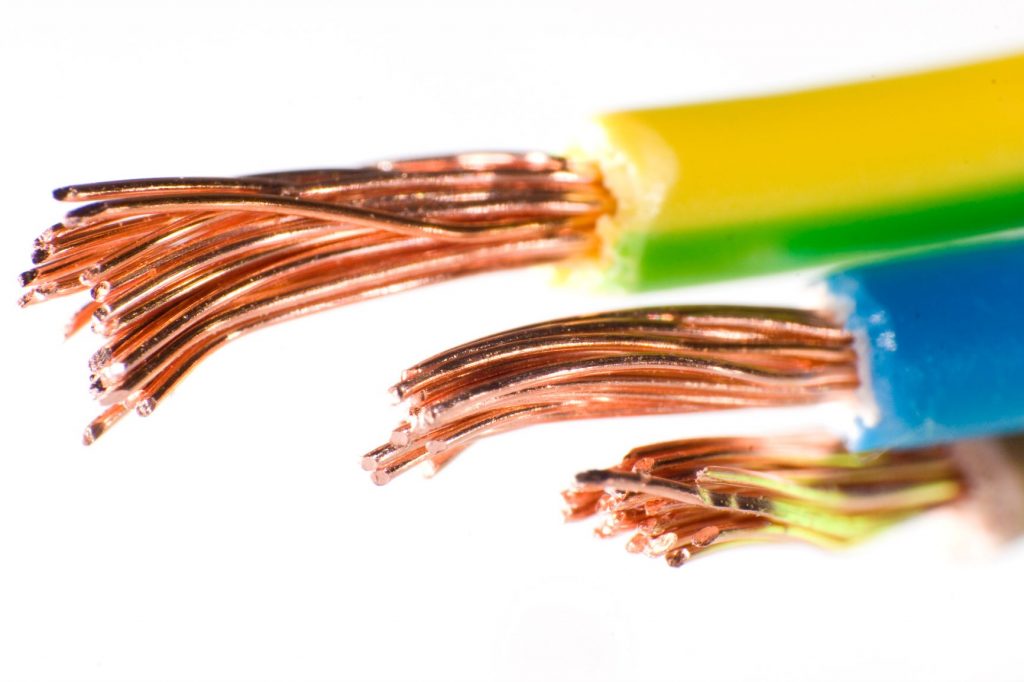
Today, copper wiring is the standard for residential electrical installations.
Copper offers several important advantages:
- Excellent electrical conductivity
- Long service life
- Minimal expansion and contraction when heated
- Superior corrosion resistance
- Full compatibility with modern electrical devices and equipment
Because of its durability and performance, copper remains the preferred choice for new homes and electrical renovations.
Aluminum Wiring
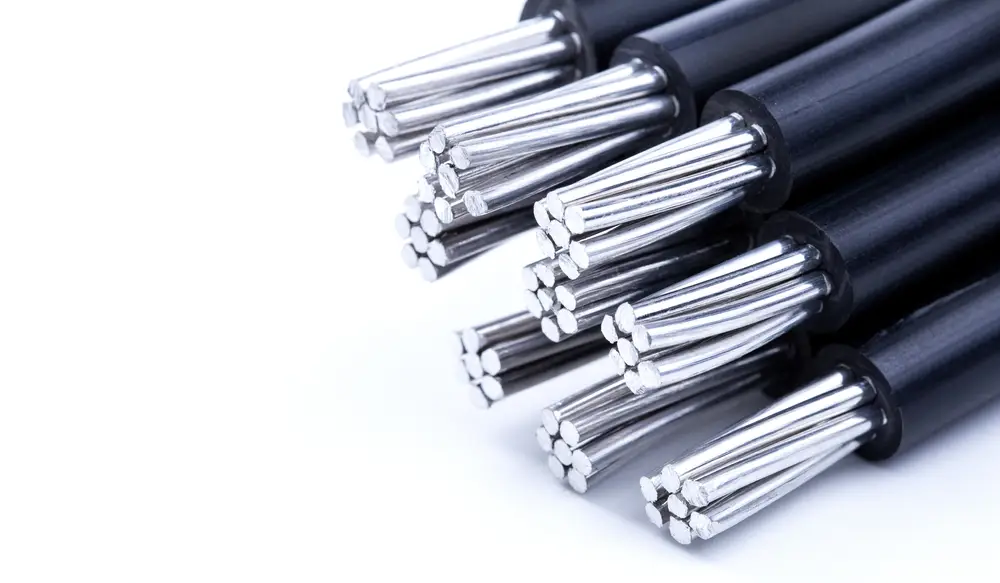
Aluminum wiring was widely installed in homes across Canada and the United States from the mid-1960s through the late 1970s.
Why was aluminum used?
At the time, copper prices increased significantly, making aluminum a more affordable alternative for residential construction.
As a result, thousands of homes were built using aluminum branch circuit wiring.
Contrary to popular belief, aluminum wiring is not illegal, nor is it automatically unsafe.
The wiring itself isn't usually the issue—it's the electrical connections that require proper installation and maintenance.
Modern Electrical Cable
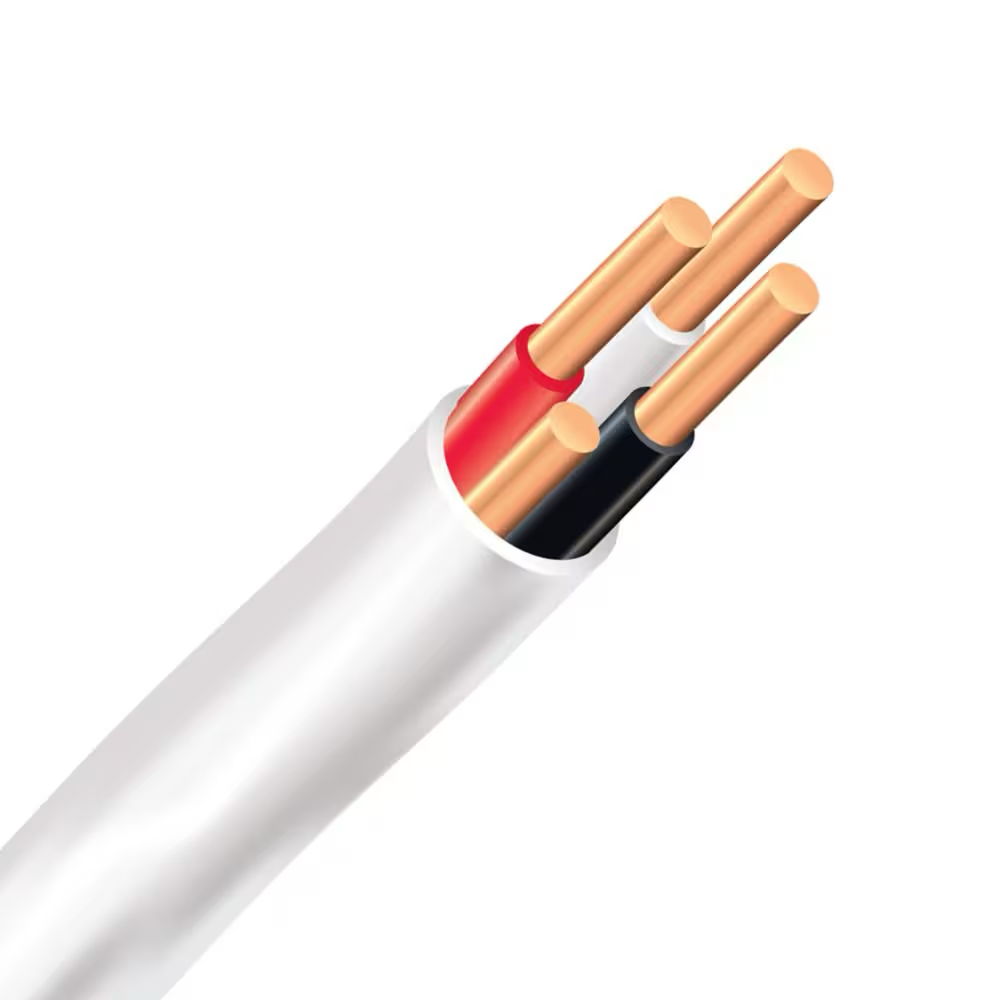
Today's homes are typically wired using non-metallic sheathed cable (NMD90), commonly known by the trade name Loomex in Canada.
These cables contain copper conductors protected by durable insulation and meet the latest requirements of the Canadian Electrical Code.
Why Does Aluminum Wiring Have a Bad Reputation?
Over the years, aluminum wiring has been linked to a number of residential electrical fires.
However, investigations have shown that the majority of these incidents were not caused by the aluminum wire itself.
Instead, problems were often related to:
- loose electrical connections;
- switches or outlets not rated for aluminum wiring;
- improper repairs or modifications;
- poor maintenance over time.
Unlike copper, aluminum expands and contracts more as it heats and cools. If connections are not installed correctly using approved materials and techniques, they can loosen over time and generate excessive heat.
When installed, inspected, and maintained properly, aluminum wiring can continue to operate safely for many decades.
Common Myths About Aluminum Wiring
Myth #1: "A home with aluminum wiring is unsafe."
False.
Many homes with aluminum wiring remain perfectly safe.
What matters is whether the electrical system has been properly installed, inspected, and maintained by a licensed electrician.
In most cases, safety concerns are related to faulty connections—not the wiring itself.
Myth #2: "The entire electrical system must be replaced."
Not necessarily.
Depending on the condition of the installation, a licensed electrician may recommend targeted upgrades instead of a complete rewiring.
These improvements may include:
- replacing incompatible switches and outlets;
- installing approved aluminum wiring connectors or pigtails;
- inspecting and tightening electrical connections;
- replacing only circuits that show signs of deterioration.
A complete rewiring is not always required.
Myth #3: "Insurance companies won't insure a home with aluminum wiring."
False.
Many insurance companies do insure homes with aluminum wiring.
However, they may request an electrical inspection or certification from a licensed electrician before issuing or renewing a policy.
If the wiring has been inspected and any recommended upgrades have been completed, obtaining insurance is often not a problem.
Requirements vary from one insurance provider to another.
Myth #4: "I can replace an outlet myself."
Replacing an outlet connected to aluminum wiring is more complicated than it appears.
Standard outlets and switches may not be suitable for aluminum conductors, and approved connection methods must be used to prevent overheating.
Improper installation can create a serious fire hazard.
For that reason, work involving aluminum wiring should always be performed by a licensed electrician.
How Can You Tell If Your Home Has Aluminum Wiring?
There are a few common indicators:
- Your home was built between approximately 1965 and 1978.
- Visible electrical cables are marked AL or Aluminum.
- A home inspector identified aluminum wiring during an inspection.
- Your insurance company has requested an electrical inspection because of the home's age.
The only reliable way to confirm the type and condition of your wiring is through a professional electrical inspection.
Should Aluminum Wiring Be Replaced?
There's no one-size-fits-all answer.
Replacement may be recommended if:
- the wiring shows signs of overheating;
- electrical connections have deteriorated;
- previous electrical work was not completed to code;
- you're undertaking a major renovation or electrical upgrade.
In many cases, an inspection followed by targeted repairs or upgrades is all that's needed to ensure the system remains safe.
Every home should be evaluated individually.
Why a Professional Inspection Matters
If your home has aluminum wiring, a professional inspection can:
- check the condition of electrical connections;
- identify incompatible switches and outlets;
- detect signs of overheating or damage;
- recommend any necessary safety upgrades;
- provide documentation that may satisfy insurance requirements.
Preventive inspections are often far less expensive than repairing damage caused by an electrical failure.
Schedule an Aluminum Wiring Inspection with VIMA Électrique
If you've discovered your home has aluminum wiring, there's no need to panic.
The licensed electricians at VIMA Électrique can inspect your electrical system, verify that it meets current safety standards, and recommend practical solutions based on your home's condition.
Our goal isn't to recommend unnecessary rewiring—it's to provide honest, professional advice that keeps your home and family safe.
Contact VIMA Électrique today to schedule an aluminum wiring inspection or speak with one of our licensed electricians.
Frequently Asked Questions
Is aluminum wiring illegal?
No. Aluminum wiring is still permitted when it has been installed and maintained according to current electrical codes and safety standards.
How do I know if my house has aluminum wiring?
Homes built between the mid-1960s and late 1970s are the most likely to contain aluminum branch circuit wiring. A licensed electrician can confirm this during an inspection.
Do I have to replace all of my aluminum wiring?
Not necessarily. Many aluminum wiring systems remain safe after a professional inspection and any recommended upgrades have been completed.
Can I replace an outlet connected to aluminum wiring myself?
It is strongly discouraged. Aluminum wiring requires specialized connectors, approved devices, and proper installation techniques to ensure safe electrical connections.
Will my insurance company cover a home with aluminum wiring?
Many insurance companies do. Some may require an inspection or a report from a licensed electrician before providing or renewing coverage.
Read Our Next Article
Hydro-Québec Rakes in Record Profits: What This Means for You

Electricity Rate Hikes in 2025: How to Adapt Without Breaking the Bank?